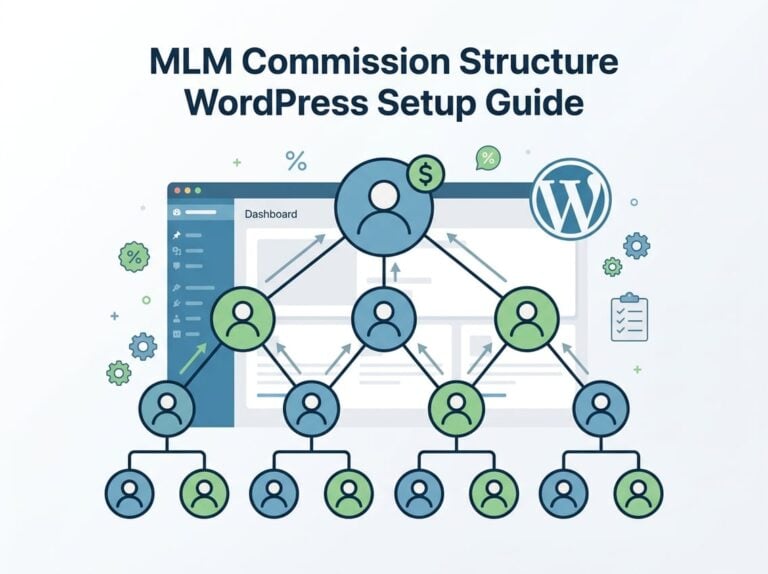
Setting up an mlm compensation plan wordpress site is harder than it looks. Most store owners discover this after they’ve already promised distributors a payout structure that their plugin can’t actually calculate.
The real challenge isn’t choosing between binary, unilevel, or matrix — it’s making sure your WordPress stack can execute the plan you choose without breaking every time someone upgrades, cancels, or switches devices.
This guide walks through each major compensation model, what your platform needs to track, and how to match the right structure to your business type without accidentally building something that looks like a pyramid scheme to regulators.
Start With The Payout Logic You Need
Before you pick a plan type, map out exactly how money moves through your network. Compensation logic and payout infrastructure are two separate problems, and mixing them up early creates expensive rework later.
How Commissions, Bonuses, And Qualifications Flow
Every mlm compensation plan operates on the same core mechanics: a member earns a commission when a specific event happens, that commission gets modified by rules (rank, volume, qualification status), and then it moves into a wallet or gets queued for a payout run.
The events that trigger mlm compensation include new sales, subscription renewals, product upgrades, and new member joins. Each event can pay different commission types: a referral commission on the direct sale, a join commission when a new member enrolls, a level commission for each depth tier, and a company commission that stays in-house.
Bonuses layer on top. A matching bonus mirrors a percentage of what your downline earns. A generation bonus pays across leadership levels rather than just numbered depths. A pair commission or pair matching bonus fires in binary structures when both legs hit a volume threshold.
Rank advancement rules determine when a member qualifies for higher payouts. Most plans require personal volume, team volume, or both. If your WordPress setup can’t track rank changes in real time, your payout report will be wrong.
Choosing Between Retail, Referral, And Team-Based Earnings
Retail earnings come from direct product sales with no recruitment required. Referral earnings pay when someone you introduced makes a purchase. Team-based earnings depend on your downline’s collective volume.
The further you move from retail toward team-based earnings, the more compliance scrutiny you attract. A product-based business should always anchor its primary payout to actual sales, not recruitment.
What Your WordPress Stack Must Track Reliably
Your mlm system needs to handle five things without manual intervention: commission calculation on every qualifying event, rank checks before each payout, e-wallet balances per member, withdrawal requests and approvals, and a full payout run history. If any of these require spreadsheet exports, your setup isn’t production-ready.
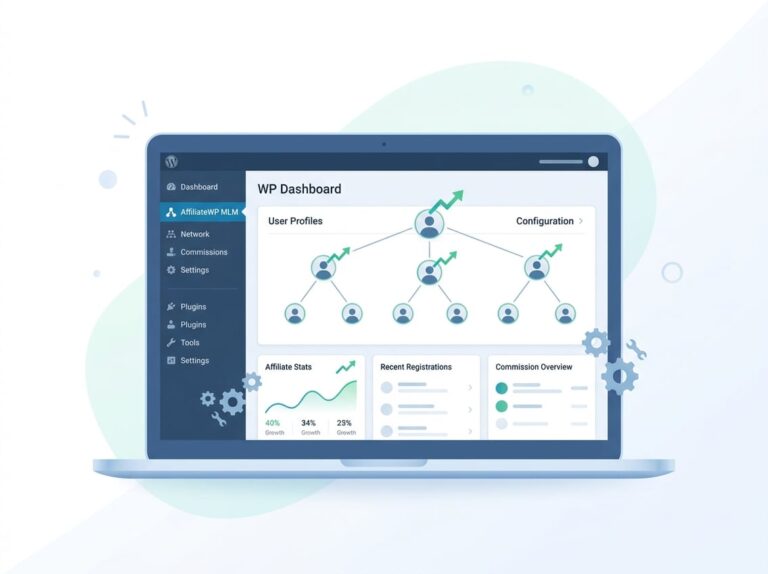
Ultimate Affiliate Pro handles multi-tier commission logic, custom bonus rules, and wallet management natively inside WordPress, which eliminates the need to stitch together separate tools for each function.
Binary, Unilevel, And Matrix Models Compared
The three dominant structures each solve a different growth problem, and choosing the wrong one for your business type creates distributor churn fast. Each model has a distinct genealogy tree shape, a different volume calculation method, and different risk profiles.
When A Binary Structure Makes Sense
A binary mlm plan limits each member to exactly two positions directly below them — a left leg and a right leg. Commissions in a binary compensation plan typically calculate on weaker leg volume, which means the leg with lower sales determines what the upline earns.
Binary mlm works well when you want to incentivize team balance. Distributors are naturally motivated to build both legs equally. Spillover from above also fills open positions, which makes recruiting feel rewarding early on.
The risk: high earners who build one dominant leg lose payout potential, which creates frustration. Binary structures also require precise pair commission tracking that most basic WordPress affiliate plugins can’t handle. As noted in a comparison of binary vs unilevel vs matrix plans, binary plans tend to reward consistent builders rather than those who recruit heavily but unevenly.
When A Unilevel Structure Fits Better
A unilevel plan puts no limit on the width of each member’s direct downline, but it caps commission depth (commonly 5-10 levels). Every person you recruit goes directly under you — no spillover, no forced placement.
Unilevel mlm plan structures are cleaner to audit, easier for new members to understand, and simpler to implement in WordPress. Level commissions decrease with depth, so the highest percentage always goes to the person who made the direct referral.
This structure suits product-based businesses with a large customer base. It rewards personal selling effort more than team-building strategy. If your primary revenue source is WooCommerce product sales rather than membership upgrades, unilevel compensation plan logic is usually the right starting point.
When A Matrix Model Gives You More Control
A matrix compensation plan fixes both width and depth. A common setup is a 3×9 matrix: three positions wide, nine levels deep. Once a level is full, new recruits spill over to the next row.
Force matrix mlm structures create urgency because positions fill up. They also create a sense of balanced network growth since everyone fills predictable slots. Spillover from active upline members genuinely helps new recruits get started faster.
The tradeoff is complexity. Matrix genealogy trees need to enforce placement rules automatically, and any plugin that miscalculates a spill position breaks the entire downline structure. Matrix compensation plans work best for subscription products or digital memberships where recurring volume is predictable.
Other Structures You May Need For A Multi-Level Build
Binary, unilevel, and matrix cover most use cases, but several other plan types solve specific monetization or leadership problems that those three don’t address cleanly.
Board And Revolving Matrix Variants
A board mlm plan divides the network into small boards, typically with a fixed number of positions (like 2×3). When a board fills, it splits, and the top member advances to a new board. This creates short-term urgency and a clear reward cycle.
A revolving matrix plan works similarly but recycles completed positions back into the structure. Members who fill their board cycle back in at a new entry point, creating ongoing participation incentives. Both variants suit high-ticket offers or digital product bundles where periodic re-enrollment makes sense.
Generation And Breakaway Leadership Models
A generation plan calculates commissions based on leadership generations rather than numbered levels. A generation is defined by rank, not depth, so a generation bonus might span 30 levels in one case and only 3 in another, depending on where the next qualified leader sits.
A breakaway plan (sometimes called a stairstep breakaway) lets high performers “break away” from their upline’s group volume once they hit a certain rank. After breakaway, they operate as an independent unit while still receiving leadership bonuses from former upline members.
Both models reward experienced distributors and are common in health and wellness direct selling businesses. They’re also among the most complex to track automatically inside WordPress.
Hybrid Structures For Mixed Monetization Goals
A hybrid plan combines two or more compensation structures. A common example is a binary plan for team volume payouts combined with a unilevel structure for retail referral commissions. A monoline plan (also called a monoline mlm or single-leg plan) is sometimes added to hybrid builds as a fast-start entry layer.
Ultimate Affiliate Pro supports custom commission rules per product, per tier, and per member role, which makes it practical for hybrid setups where different compensation logic applies to different parts of your catalog.
How Tracking And Payouts Work Inside WordPress
Getting payout logic right on paper is different from making it work reliably in a live WordPress environment. The gap between those two things is where most mlm compensation plan wordpress builds fail.
Commission Events From Orders, Renewals, And Upgrades
Every qualifying order, renewal, or membership upgrade needs to fire a commission event that credits the correct affiliate at the correct percentage for every applicable level. WooCommerce triggers are the most common source of these events.
A binary mlm plan with woocommerce integration, for example, needs to detect which leg the purchaser belongs to, update both leg volumes, check pair thresholds, and calculate the pair commission — all automatically on checkout. Without tight integration, leg volumes drift out of sync and payouts become unreliable.
The e-pin system is another commission trigger found in some mlm software setups. A member purchases an e-pin to enroll, and that purchase fires a join commission up the chain. The Binary MLM Plan plugin on WordPress.org is one example of a purpose-built tool for this specific flow.
Genealogy, Wallets, And Member-Level Reporting
Your genealogy tree is the visual and data representation of your entire downline structure. Every commission calculation references it. If a placement is wrong in the tree, every payout above that node is potentially wrong too.
Member e-wallet balances accumulate commissions until a withdrawal is requested. Your platform needs to track both the pending (unconfirmed) and available (confirmed) balance separately, since refunds and chargebacks can claw back earnings before they’re paid out.
A good payout report shows every run payout individually: who earned it, which event triggered it, what the rate was, and whether it was paid or pending. Run payouts grouped by payout run date make reconciliation fast. LetsCMS MLM software covers these reporting layers in its WordPress integrations and is worth reviewing as a reference for what full-featured payout infrastructure looks like.
Where Ultimate Affiliate Pro Fits And Where MLM Tools Go Further
Ultimate Affiliate Pro is the right starting point for most WooCommerce and membership sites building a multi-tier referral structure. It handles tiered commissions, bonus rules, performance milestones, and wallet-based payouts without requiring custom PHP.
For businesses running a true binary, matrix, or generation plan at scale, dedicated mlm software adds genealogy enforcement and automated payout runs that go beyond what a general affiliate plugin handles. If your plan has pair commissions, forced placement, or breakaway rank logic, you’ll need to assess whether Ultimate Affiliate Pro’s add-ons cover your specific rules or whether a dedicated mlm layer is required alongside it.
Check the Ultimate Affiliate Pro pricing page to see which tier includes multi-level support before committing to a plan configuration.
Choosing The Right Structure Without Creating Compliance Problems
The mlm business model sits in a legally sensitive space in the United States. The structure you choose directly affects whether regulators see a legitimate direct selling business or a pyramid scheme.
How To Match The Model To Your Revenue Source
The core test is straightforward: does the majority of your revenue come from real product or service sales to end customers, or does it come from recruiting fees? Businesses like Amway and Herbalife have faced scrutiny precisely because this line blurred at various points in their history.
If you run a WooCommerce store, a course platform, or a SaaS membership site, your compensation plan should tie payouts to actual purchases. A referral commission that pays when a customer buys a product is defensible. A join commission paid purely for recruiting a new distributor, with no product sale attached, is not.
Red Flags That Push A Program Toward Pyramid Scheme Risk
Watch for these specific patterns in your plan design:
- Mandatory purchase to participate: Members must buy product to earn commissions, regardless of retail sales
- Recruitment-weighted payouts: The largest bonuses come from enrolling new distributors, not from selling product
- No retail customer requirement: All buyers are also distributors with no genuine end-customer base
- Infinite depth with no volume cap: Commissions travel indefinitely upward without qualification checks
Any one of these patterns increases legal risk. The FTC’s guidance on distinguishing product-based mlm from pyramid scheme structures is publicly available and worth reading before you finalize your plan design.
A Practical Selection Framework For Store, Membership, And Course Sites
Use this framework to match structure to business type:
| Business Type | Recommended Structure | Why |
|---|---|---|
| WooCommerce product store | Unilevel (5-7 levels) | Simple tracking, retail-anchored payouts |
| Subscription/membership site | Matrix (3×5 or 2×9) | Predictable recurring volume |
| Digital course platform | Unilevel + matching bonus | Rewards teacher referrals at multiple depths |
| High-ticket coaching | Binary or board plan | Pair volume creates urgency and balance incentive |
| Mixed product + membership | Hybrid (unilevel + binary) | Separate logic per revenue stream |
Affiliate marketing structures stay compliant when commissions reward genuine customer acquisition. The difference between affiliate marketing and a pyramid scheme is whether a real product or service transaction happens at every payout event.
Frequently Asked Questions
What are the must-have payout rules for a two-level referral structure on a WooCommerce store?
At minimum, you need a direct referral commission rate (Level 1) and a second-tier rate (Level 2), both tied to confirmed order status rather than pending. You also need a clear rule for refunds: commissions should reverse automatically when an order is refunded within a set window, not just marked for manual adjustment.
Which WordPress plugins let you set tiered commissions without writing custom PHP?
Ultimate Affiliate Pro supports multi-tier commission rates per level, per product, and per affiliate role without any custom code. Most basic WooCommerce coupon-based affiliate setups only handle a single referral level and require developer work for anything deeper.
How do you track downline referrals reliably when customers switch devices or clear cookies?
Cookie-based tracking breaks when customers switch devices or clear their browser. The most reliable fallback is account-based tracking: once a customer is logged into a WordPress account linked to an affiliate, the referral is tracked server-side regardless of cookies. Setting a longer cookie window (30-90 days) also reduces mid-funnel attribution loss.
How do you set commission rates so margins stay profitable after refunds, shipping, and payment fees?
Calculate your commission base on net revenue, not gross order value. Subtract your payment processing fee, average shipping cost, and expected refund rate before setting percentage rates. A 20% commission on gross may eat your entire margin; that same rate on net product revenue often works fine.
What’s the cleanest way to automate monthly payouts to affiliates in WordPress (PayPal, Stripe, or bank transfer)?
The cleanest approach is an e-wallet system that accumulates confirmed commissions, then releases them on a scheduled payout run date. Ultimate Affiliate Pro’s features include PayPal mass payments and manual bank transfer approval, which covers most use cases without additional payment plugins.
How do you handle returns, cancellations, and chargebacks so affiliate earnings adjust automatically?
Tie your commission confirmation trigger to the WooCommerce order status “Completed” rather than “Processing,” and set a hold period (typically 14-30 days) before commissions move from pending to payable. When a refund or chargeback hits, any still-pending commission should reverse automatically; already-paid commissions should create a negative balance or clawback record in the affiliate’s wallet.